
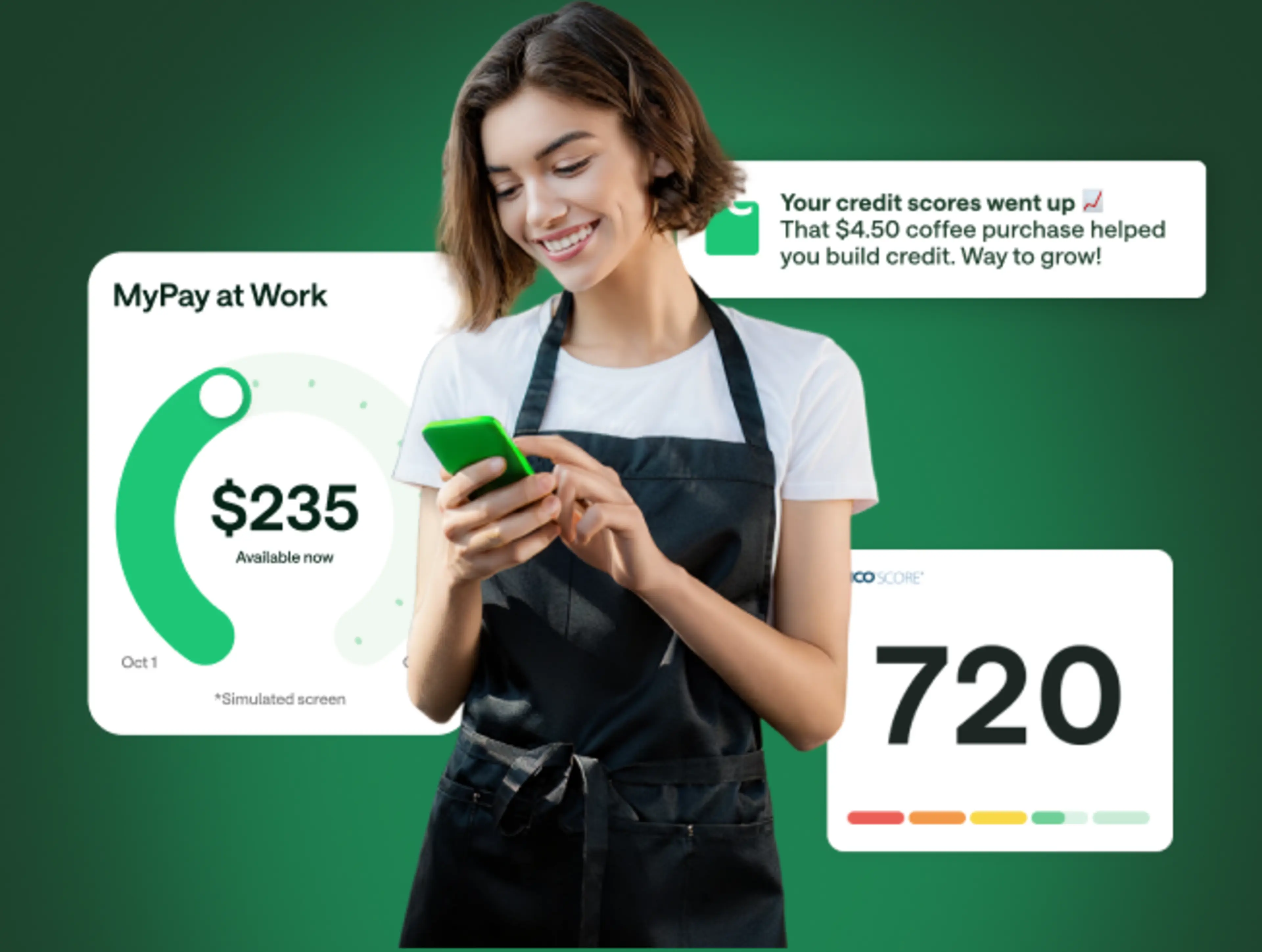
What is employee financial wellness?
Employee financial wellness is no longer a perk—it’s a workforce strategy. Financial stress impacts productivity, retention, and day-to-day operations, making financial wellness programs essential for modern employers.
Chime Workplace™ is an all-in-one financial wellness platform that helps employees move from financial stress to financial stability and long-term progress. Anchored by compliant, no-fee earned wage access and integrated with savings, credit-building, and financial wellness tools, it delivers measurable outcomes for both employees and employers.
Featured in:


An ecosystem of financial wellness platform elements
Employers are shifting from fragmented, point solutions to comprehensive financial wellness platforms that support more employees at different stages of their journey. Combining earned wage access, high-yield savings, credit building, and financial education into one seamless solution for employers to improve retention and drive workforce performance.
Earned wage access
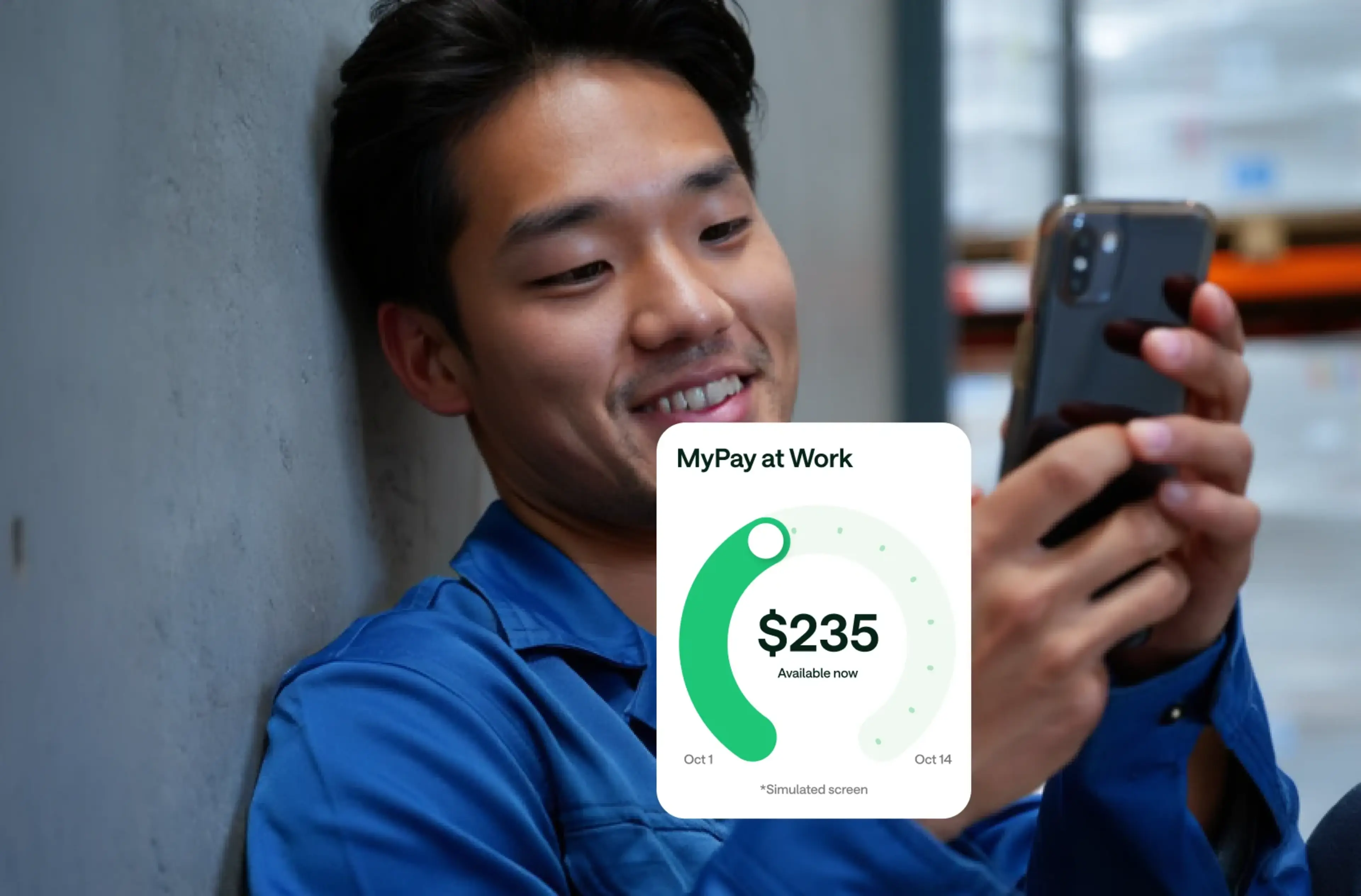
Provide fee-free access to earned wages1 before payday2, helping employees manage cash flow and help reduce financial stress.
The first step toward financial stability
Free access for every employee
Designed for compliance & nationwide regulations
Employee savings
Turn more employees into savers with automatic savings, goal-setting tools, and high-yield returns to drive financial stability.
High-yield savings with an average APY that is up to 9x the national average3
Habit-building savings features
Automatic & round-up savings4

Employee credit building
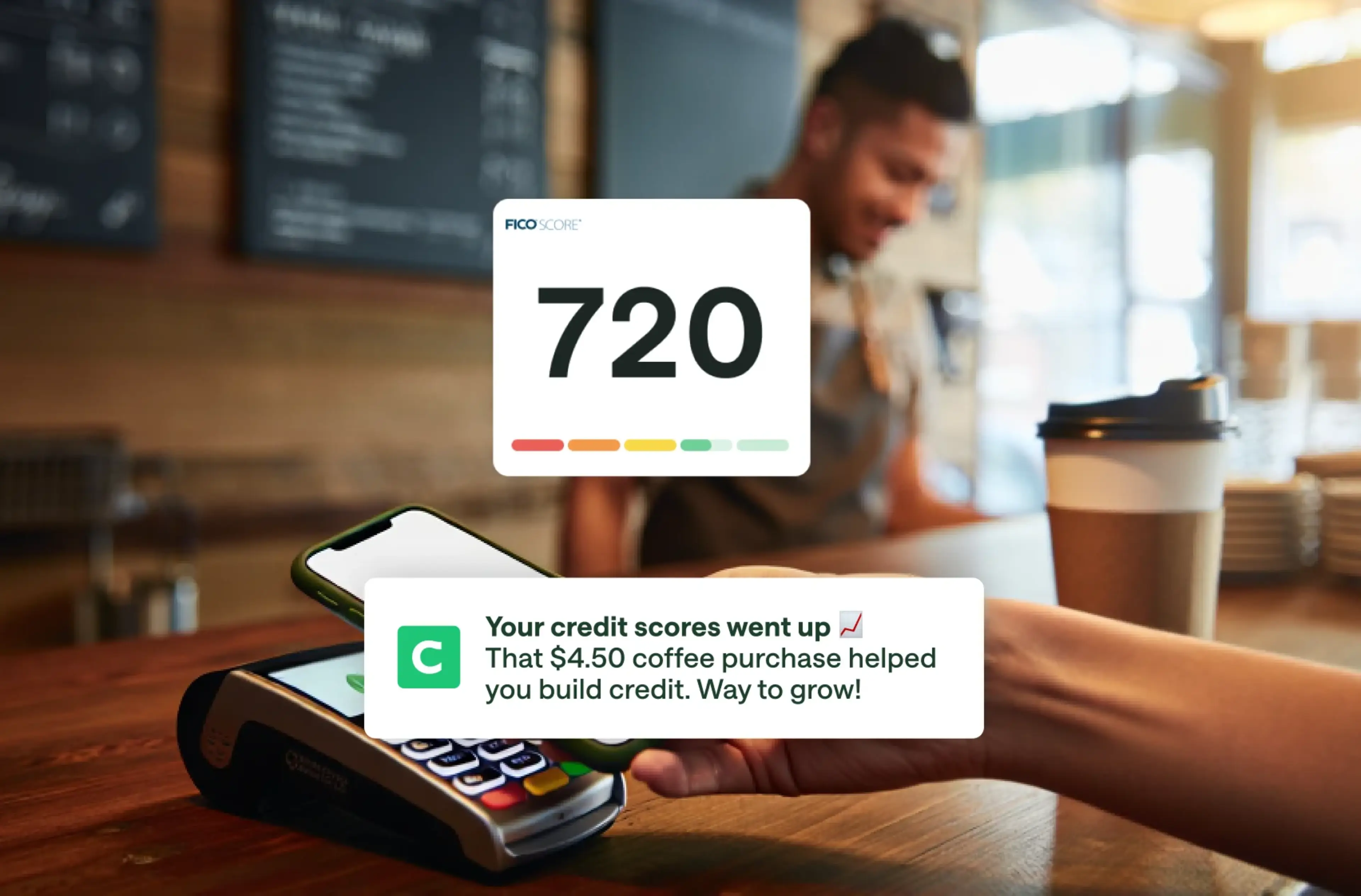
Everyday purchases can help employees improve credit responsibly and sustainably without requiring a traditional security deposit, with tools designed to help build credit history
No annual fee, no interest, no minimum security deposit
Track and build credit history5
Built-in tools can drive positive credit behavior
Financial education
Help team members save, build credit, and manage their finances with personalized financial counseling.
Actionable financial education & in‑app learning
AI-powered tools that can provide personalized insight
1:1 financial coaching access

Employee rewards
Reward workers for their time, and incentivize the right kind of workforce behavior, with the Salt™ employee rewards and incentive program.
Designed to support employee engagement and retention
No ongoing administrative process required
Incentivize desired behavior

Proven ROI and customer results
91% of employees experience financial stress†, which increases absenteeism and disrupts productivity. Companies that are prioritizing financial wellness have seen lower turnover and retention improvement over time, leading to a more stable and focused workforce.
$1.1 trillion
cost to U.S. employers in lost productivity due to employee financial stress.ᵡ
3.3 hours
Workers spend 3.3 hours per week dealing with money issues while at work, on average.ᵡ
12%
Financially insecure workers are 12% less productive and 2x as likely to be job searching.‡
9 out of 10
workers say they focus more at work when they’re not stressed about finances.§
Case Study
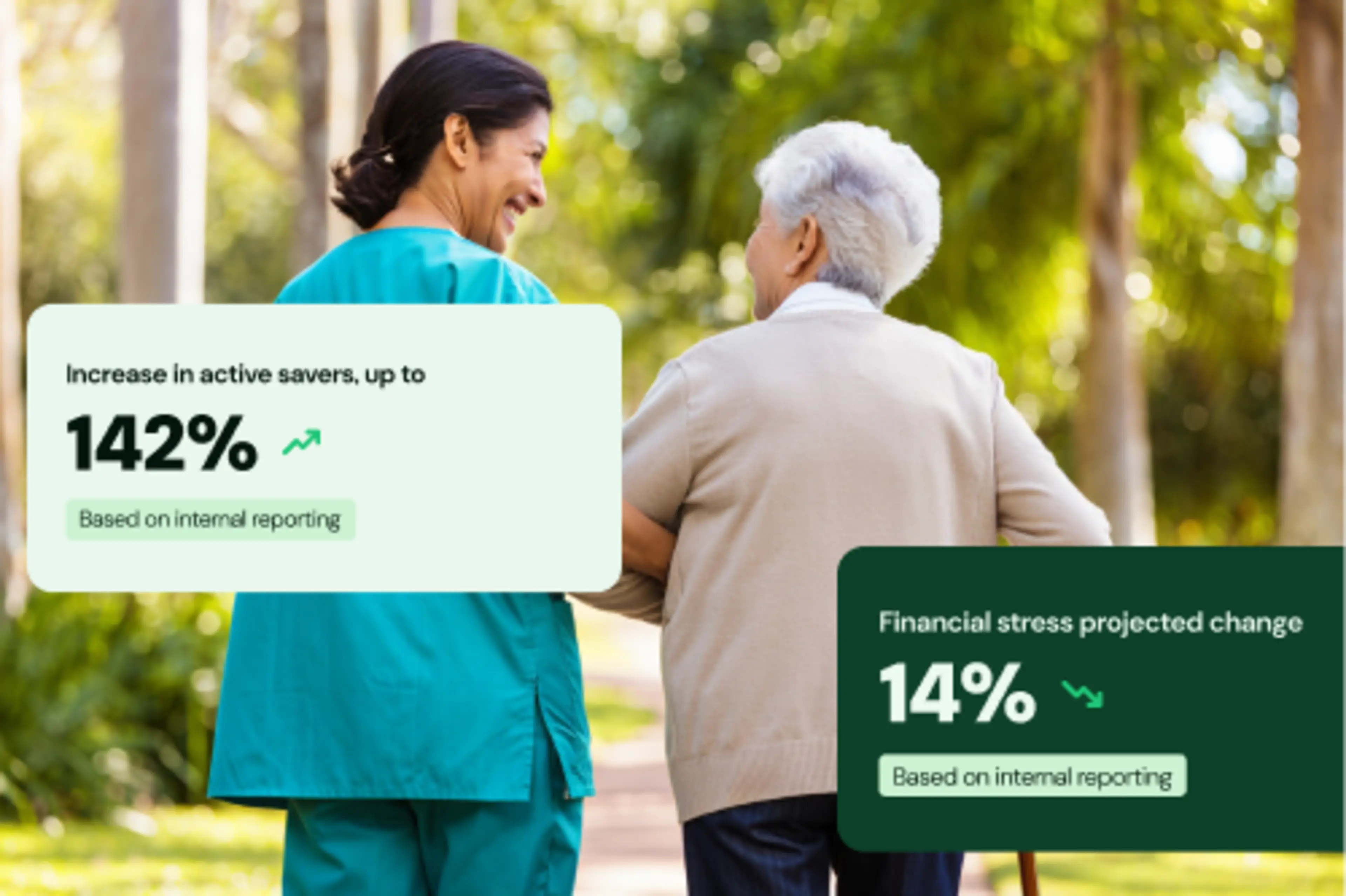
How Senior Living Communities upgraded their financial wellness program.
Switching from an EWA-only provider, Senior Living Communities reported a 14% reduction in financial stress days and a 142% increase in active savers.

This goes beyond traditional point solutions to offer our employees a trusted, integrated suite of financial tools that meets them where they are and helps them achieve lasting progress.
Dr. Veronica Chimney, Chief Human Resources Officer, Etech Global Services

We see the connection between employee financial health and overall well-being and safety. Chime's comprehensive, fee-free approach stood out as the right solution for us, offering practical support that meets the everyday financial needs of our workforce today and over the long term.
Dr. Robert Rustman, Vice President of Human Resources, LRS

Chime Workplace has been an outstanding addition to our benefits portfolio, delivering real value, enhancing financial wellness, and improving the employee experience—with remarkably low operational lift. Providing accessible tools that help employees manage their earnings more effectively has contributed to higher engagement and positive feedback across our workforce.
Katya Calderón, Sr. Director, People Team (Americas), Ubiquity

We’re always looking for ways to strengthen the employee experience and give our people tools that support financial confidence. Chime Workplace puts fast access to pay, savings tools, and credit-building features in one trusted, easy-to-use platform.
Tanya Clark, EVP, People, Ubiquity

Financial wellness services are a differentiator in a competitive employment market and can help make you an employer of choice. When we made the switch to Chime Workplace, it was even more appealing to offer additional services like high-yield savings, credit building, and financial education.
Heather Stewart, VP of Talent, Senior Living Communities
Customer results are based on individual client experiences and may not be representative of all organizations.
How employers are evolving their financial wellness strategy
Many workers are not financially healthy, which may impact productivity and engagement. Recent industry research shows employers increasingly prioritize measurable outcomes when it comes to workforce financial wellness.
Financial wellness tools built for every employee
Turnover can decrease as employees engage with more financial wellness tools. Wondering how to activate multiple tools while keeping a streamlined financial wellness benefit? Enable employees with one connected system of holistic solutions that support every stage of their financial journey.

Fee-free EWA1
Fee-free access to wages saving employees up to $370 per year in transaction fees.6

Accessible high-yield savings4
High-yield savings with an average annual percentage yield (APY) that is 9x the national average.3

Credit building that works
Tools that improve scores by an average of up to 71 points after 8 months.7

Actionable financial education
In-app learning, AI-powered Jade credit and spending insights, and 1:1 certified coaching.

Meaningful rewards and cash back8
Incentives help employees make the most of their money, while boosting motivation and engagement with challenges and badges.

Instant loans9, made easy
Provides access to short-duration loans for eligible members, with transparent terms and repayment schedules.

No-fee employee checking10
SpotMe® provides eligible members up to $200 fee-free overdraft11 coverage, and they can get paid up to two days12 early with direct deposit.

Dedicated employee support
In-app and by-phone customer support, FAQs, and how-to content enable effective adoption and usage of financial tools.
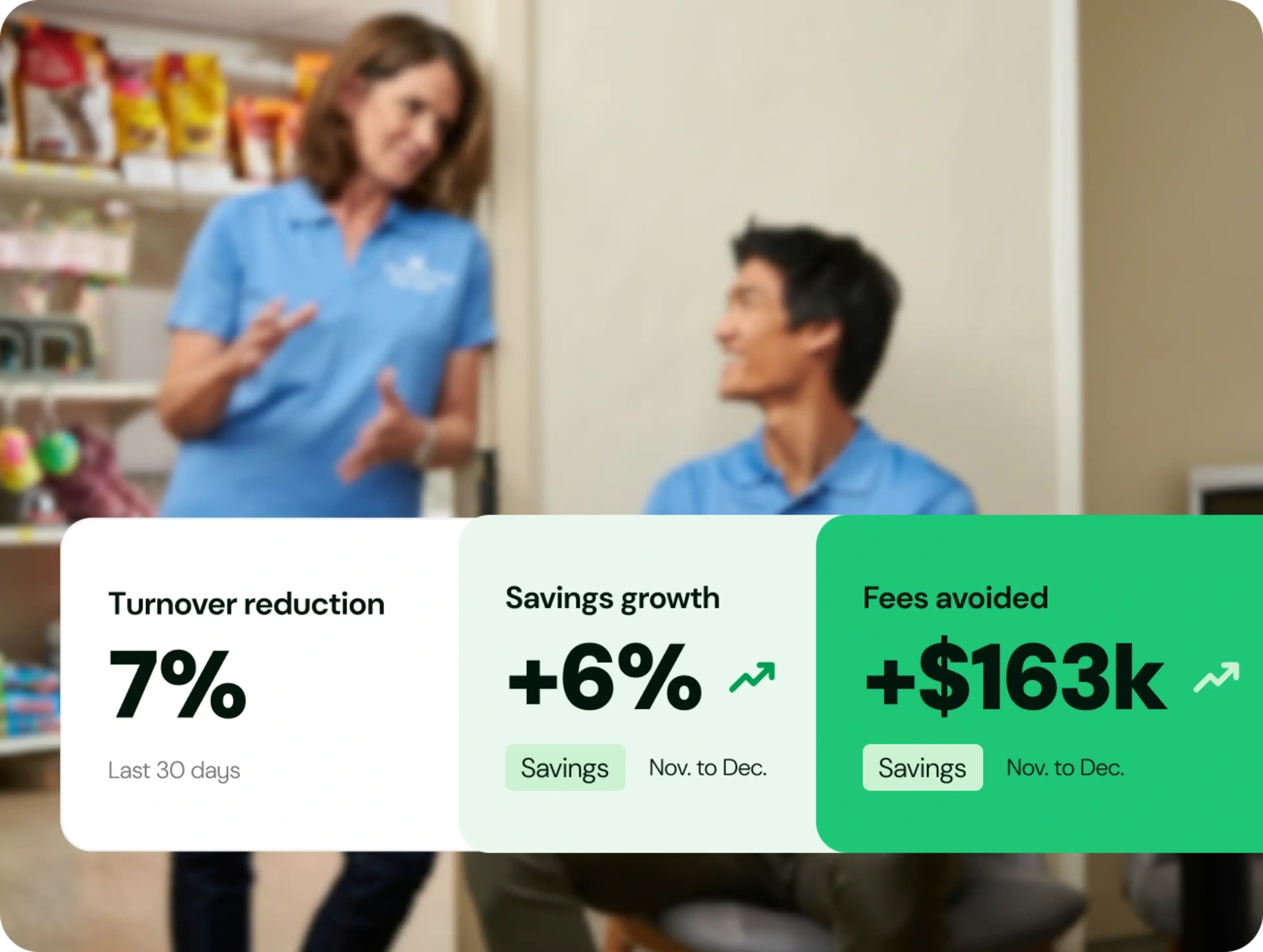
Insights that prove progress
Chime Workplace gives employers visibility into real, measurable outcomes for their employees. Track how employees are using the full suite of financial wellness tools to build savings, improve their credit scores, and manage daily finances. A centralized dashboard provides easy-to-understand data and actionable workforce financial insights in real time, with one simple login.

Seamless payroll and HR integrations
Chime Workplace integrates with leading payroll and HR systems, making it easy to implement a financial wellness platform with minimal disruption to existing workflows. Be up and running in as little as two weeks.

Chime Workplace is integrated into Workday Wellness and Workday Solutions Marketplace, expanding access to financial wellness tools through employers’ existing HR systems.

Chime Workplace connects directly with UKG’s HR and payroll systems, making it easy for employers to offer Chime’s fee-free* financial tools to their teams.
*Certain optional fees apply to services. See Chime.com/policies for more information.
Bring financial wellness to your entire workforce
Improve retention, reduce financial stress, and drive measurable results.
FAQs
How do you measure the ROI of an employee financial wellness program?
ROI on financial wellness programs is measured across three dimensions: workforce outcomes (retention rate, absenteeism, productivity), financial behavior change (savings growth, credit score improvement, EWA usage trends over time), and program adoption (employee activation rates, engagement with specific tools). Chime Workplace's employer dashboard tracks all of these in real time—giving HR and finance teams a single view of measurable progress, not just participation numbers. 83% of employers surveyed currently say their programs struggle to demonstrate positive financial outcomes (Everest Group, January 2026); Chime tools are built to help close that gap.
What metrics should HR leaders track to evaluate financial wellness program success?
The most meaningful metrics fall into two categories—employee outcomes and employer outcomes. On the employee side: average savings balance growth, credit score improvement over time, and reduction in high-frequency EWA requests (a proxy for decreasing financial dependency). On the employer side: voluntary turnover rate, absenteeism frequency, and productivity indicators. Chime Workplace's centralized dashboard surfaces these metrics with a single login, making it straightforward to report program performance to leadership and benefits committees.
How can an employee financial wellness benefit help with productivity?
When employees have access to financial wellness tools and benefits—earned wages when they need them, savings buffers, credit-building resources, and financial coaching—they can spend less time managing financial emergencies during the workday. Employees lose approximately seven hours of productivity per week on average, due to financial stress. (Brightplan Wellness Barometer Survey, 2024) A financial wellness benefit can reclaim that lost time by reducing the frequency and urgency of financial stress—giving employees the mental bandwidth to focus on their work responsibilities.
Why do traditional employee benefits fall short of addressing financial stress?
Most traditional benefits—401(k) matching, health coverage, annual bonuses — address financial security in the long term or in specific circumstances, but leave the day-to-day financial stress that drives productivity loss largely unaddressed. An employee who can't cover an unexpected $400 expense isn't helped by a retirement match. Two in three employees rank financial well-being as their #1 support need from employers (Willis Towers Watson, 2024), yet most benefits packages are not designed to meet that need in real time. Chime Workplace fills that gap with tools that work on the employee's actual financial timeline—not just at retirement or open enrollment.
How can implementing a financial wellness program help reduce employee turnover?
Turnover can decrease as employees engage with more financial wellness tools over time. Non-financially stressed employees are 2x as likely to stay at their company (PwC, 2023), and 2 in 3 employees rank financial well-being as their #1 support need from employers (Willis Towers Watson, 2024). When a financial wellness program addresses that need—through earned wage access, savings tools, credit building, and financial education—employees feel supported in ways that matter to them day to day, increasing their commitment to staying. Chime Workplace's data confirms the effect: the more tools an employee engages with, the stronger the retention outcome.
What payroll and HR systems does Chime Workplace integrate with?
Chime Workplace integrates with leading payroll and HRIS platforms including ADP, Workday, UKG, Paychex, Gusto, and SAP. Integrations use secure API and file-based connections, support real-time or daily data syncing, and require no changes to existing payroll workflows or reconciliation processes. Most implementations go live in as little as two weeks.
Does adding Chime Workplace require changes to the payroll process?
No. Unlike legacy financial wellness models that route funds through payroll or require deduction management, Chime Workplace removes payroll from the process entirely. There are no changes to pay cycles, no reconciliation requirements, and no added administrative burden for your payroll team. The integration sits alongside your existing system, not inside it—making implementation low-lift for IT and transparent to payroll operations.
How does Chime Workplace integrate with existing HR platforms?
Chime Workplace connects with leading HR platforms—including Workday, UKG, ADP and more—via secure API and file-based integrations, with no disruption to existing workflows. There are no payroll changes, no reconciliation requirements, and no new administrative overhead for HR teams. Employee data syncs automatically in real time or on a daily basis depending on your configuration, and most employers are fully live within two weeks. For organizations already on Workday, Chime Workplace is available directly through Workday Wellness and the Workday Solutions Marketplace—meaning financial wellness tools can be activated within the HR environment your employees already use, without standing up a separate system.
How can implementing a financial wellness program deliver measurable retention outcomes?
Measurable retention outcomes come from programs that address financial stress comprehensively—not just at the paycheck level. Maxwell Group switched from a standalone EWA provider to Chime Employee Financial Wellness Platform and saw a 14% reduction in financial stress days and a 142% increase in active savers alongside improved retention. Chime Workplace's employer dashboard tracks the behavioral metrics that can predict retention, savings growth, reduced EWA dependency, and credit improvement. HR leaders can connect program engagement to workforce stability data and report outcomes with confidence.